When playground behaviour becomes a problem, the behaviour itself is rarely the whole story. When a child is yelling, walking away from games, grabbing, arguing or refusing to join in, it is natural to focus on what you can see and want to stop it. But understanding children's behaviour at school, particularly on the playground, means looking deeper. Underneath most difficult playground behaviour is something the behaviour is not showing you. A lagging skill.
This is one of the most important reframes in social emotional learning: playground behaviour is a skill problem, not a character problem. When we ask "what skill might this child still be learning?" instead of "how do we stop this behaviour?", the response becomes more effective and far more compassionate.

Rory's Power
Rory the Repair Hare teaches children how to fix social mistakes with care and courage. When lagging skills lead to difficult playground behaviour, Rory gives children the language and the steps to repair what went wrong and try again.
Why Children Struggle Socially at Primary School: The Lagging Skills Explanation
Social skills on the playground are developmental skills, just like reading and maths. They need to be explicitly taught, practised and built over time. Children are not born automatically knowing how to navigate complex social situations, and lagging skills on the playground are one of the most common reasons children struggle socially at primary school.
Children are not born knowing how to:
- Cope with losing gracefully
- Negotiate rules when two people disagree
- Manage frustration in the moment
- Read what others are feeling from their face or tone
- Repair a friendship after a falling out
- Handle rejection without withdrawing or lashing out
- Regulate emotions under social pressure
For some children, particularly those with anxiety, ADHD, autism or emotional regulation difficulties, these lagging skills may take longer to develop. That is not a character flaw. That is a developmental reality that requires deliberate social emotional learning support, not correction alone.
Kids do well if they can.– Ross W. Greene, Ph.D., The Explosive Child
Understanding Children's Behaviour at School Through a Skill-Based Lens
When we look at playground behaviour through a skill-based lens, a different picture begins to emerge. The behaviour is not the problem. It is the signal that a skill still needs building.
A Child Who Lashes Out During a Game
May be struggling with emotional regulation under pressure, flexible thinking when something feels unfair, the language to express frustration safely, or the ability to cope with disappointment. These are lagging skills in children that social emotional learning can directly address.
A Child Who Avoids Joining In
May be struggling with social anxiety or fear of rejection, not knowing how to enter a game that has already started, past experiences of exclusion, or low confidence in their own social ability. Understanding children's behaviour this way changes everything about how adults respond.
Playground behaviour is a skill problem, not a behaviour problem. When we teach the skill, the behaviour changes.
Of challenging playground behaviour in primary-aged children is linked to lagging social or emotional skills rather than deliberate defiance, according to research in social-emotional learning and developmental psychology.
Social Emotional Learning Behaviour Support: From Correction to Teaching
This does not mean playground behaviour has no limits. Children still need clear guidance, consistent expectations and supportive structure. But when we combine boundaries with genuine social emotional learning behaviour support, the results are far more lasting.
Instead of only correcting, adults can:
- Slow social situations down and make the invisible visible
- Teach lagging skills explicitly, using clear language and modelling
- Practise through stories, role play and guided scenarios
- Support repair and encourage children to try again after difficult moments
This is the core belief behind the Playground Powers program. Every character, every story and every activity is designed to build the lagging skills children need on the playground, in a way that feels safe, practical and memorable.
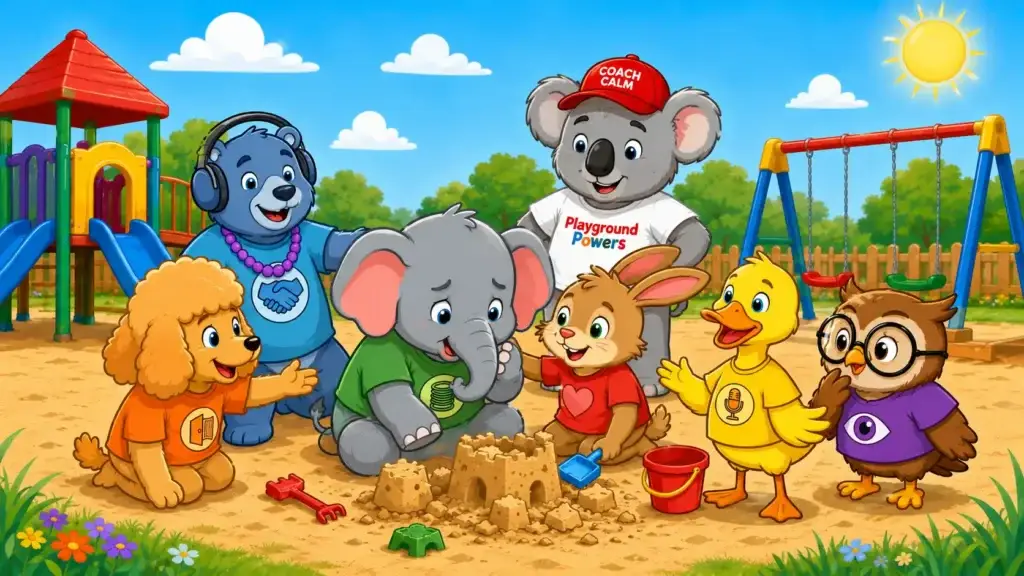
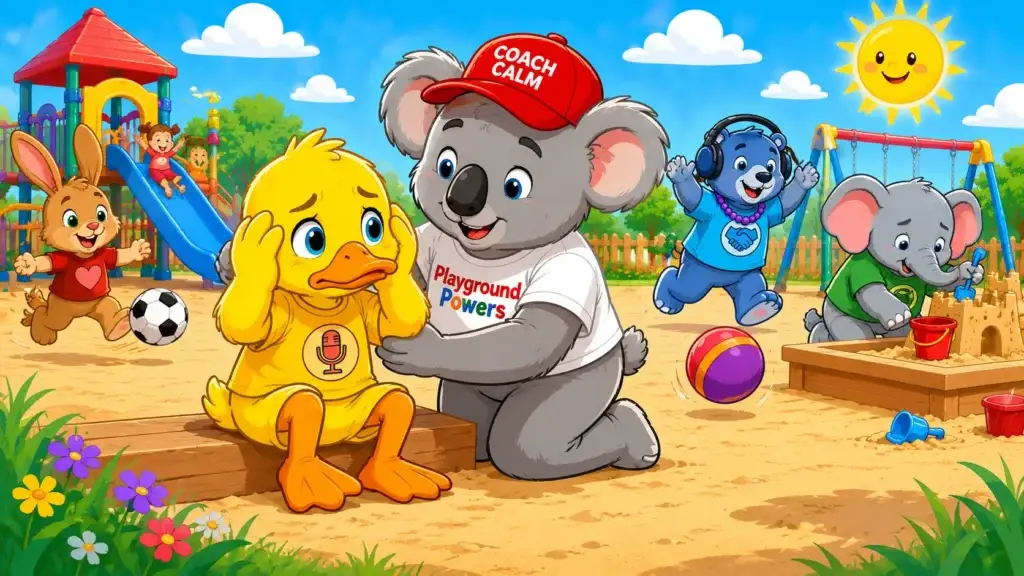
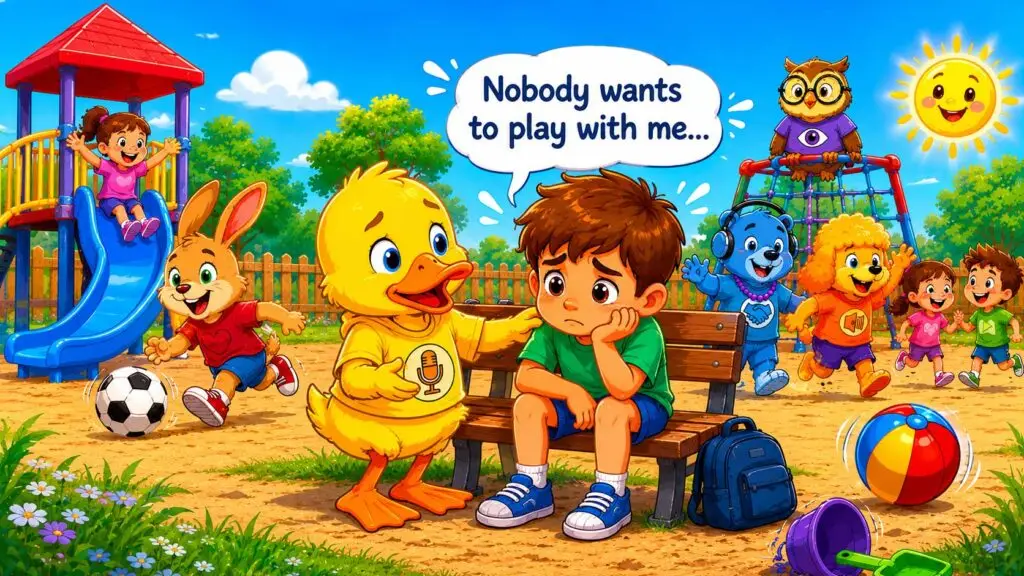
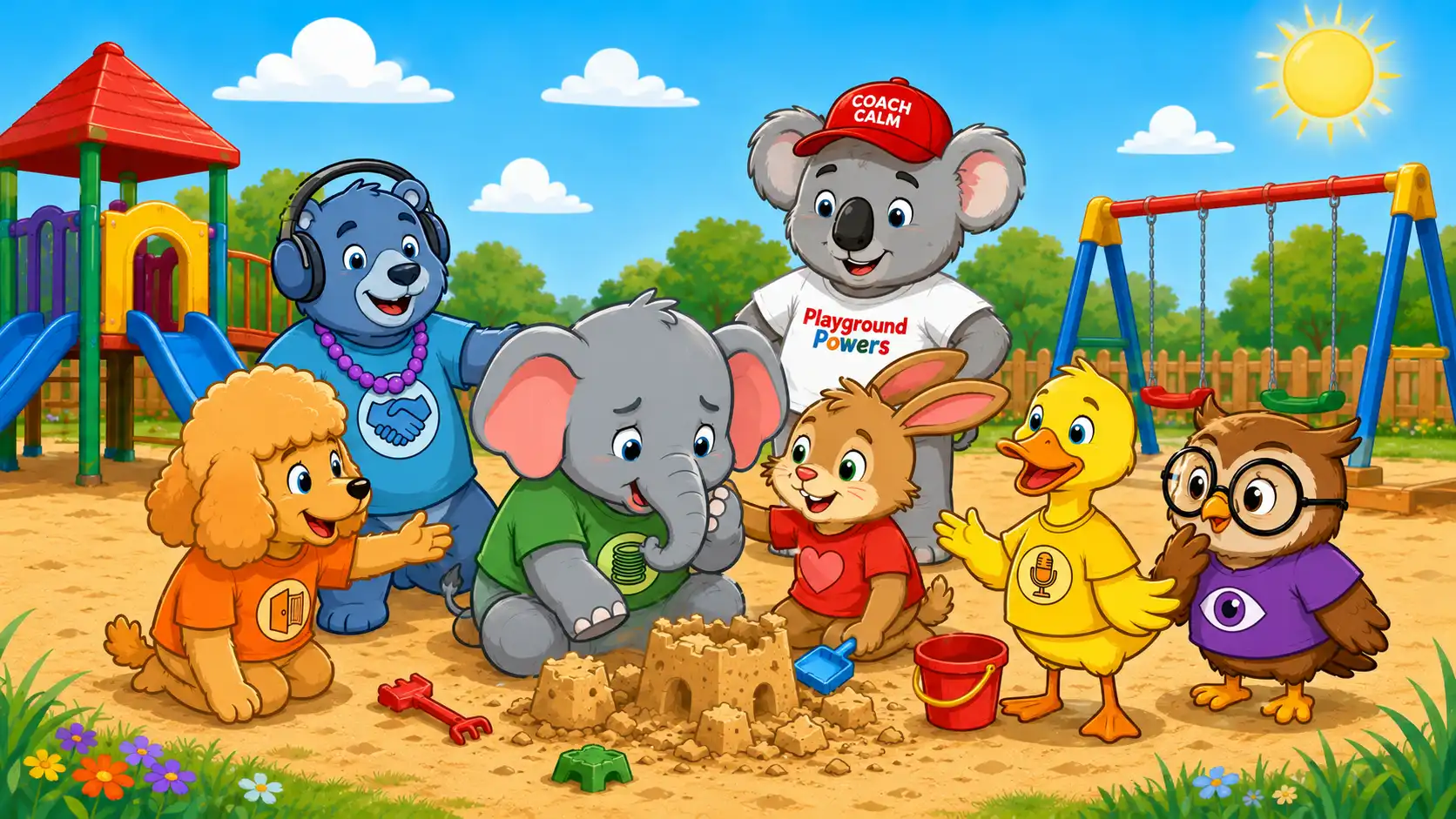
Poppy the Play Fair Bear helps children understand fairness and taking turns. Rory the Repair Hare teaches children how to fix social mistakes. Sparky the Speak-Up Duck gives children the language to ask for what they need. These are not rewards for good behaviour. They are tools for building the skills behind it.
Discover how Playground Powers builds the lagging skills behind difficult playground behaviour, one story at a time.
Join the WaitlistA Different Kind of Question
The next time you see a child struggling on the playground, try pausing and asking: "What might this child still be learning?" That one question shifts everything. From judgement to curiosity. From correction to support. From a child who is "being difficult" to a child who is still building skills. And that shift makes all the difference.
How Do I Know If a Child Has a Lagging Skill or Is Just Misbehaving?
A useful test for understanding children's behaviour at school is to ask whether the child manages well in low-pressure situations. If they can regulate their emotions and social interactions when things are calm but fall apart under stress or in unstructured settings like the playground, that is a strong signal of lagging skills in children rather than deliberate defiance. Most children genuinely want to do well. When they can, they do.
What Should Teachers Do When Playground Behaviour Keeps Happening?
Rather than repeating the same consequence, it helps to identify the lagging skill and target it directly. Observing when and where the behaviour occurs most often can reveal patterns. Targeted social emotional learning behaviour support during calm moments, not in the heat of the situation, tends to produce far better long-term results. Take a look at the Playground Powers characters for classroom-ready tools.
Can Parents Support Lagging Skills at Home?
Absolutely. Practising social scenarios at home in calm, playful ways builds the skills children need before they are under pressure to use them. Role play, social stories and curious (not corrective) debriefs after difficult playground days all make a real difference. You can also explore the thinking behind Playground Powers to understand the full skill-based approach.
Ready to support the children in your life with the skills, language and confidence they need to thrive socially? Join the Playground Powers waitlist today.
Join the Waitlist